bath
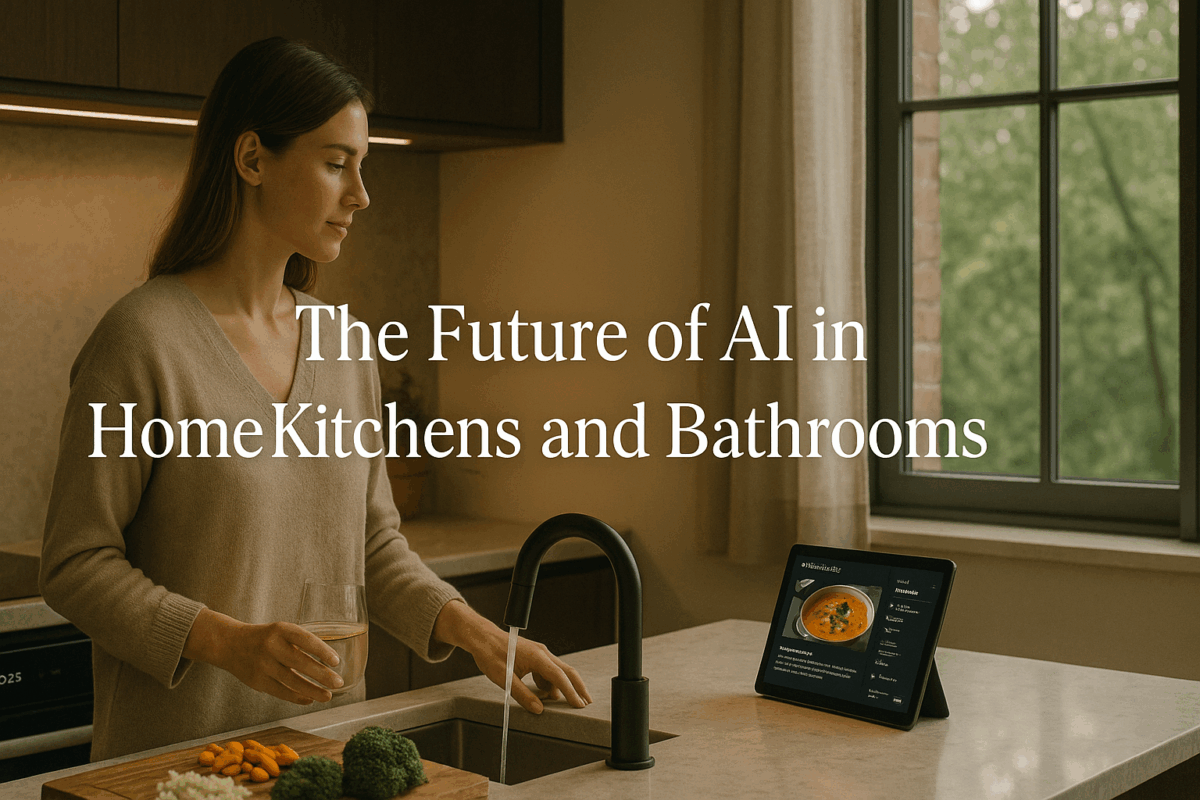
The Future of AI in Home Kitchens and Bathrooms
Jul
Artificial Intelligence (AI) is no longer just a concept in science fiction. It’s reshaping our homes—especially in the two most functionally important areas: the kitchen and the bathroom. While smart assistants like Alexa and Google Home have already found a place in many households, the next generation of AI promises to transform how we cook, clean, and even relax.
1. Kitchens That Think With You
AI is revolutionizing the kitchen from both a functional and aesthetic standpoint:
- Smart Appliances: AI-enabled ovens can recognize food types and adjust cooking times automatically. Smart refrigerators track expiration dates and suggest recipes based on what’s inside.
- Personalized Meal Planning: AI can analyze your dietary habits and goals, then recommend weekly meal plans and grocery lists. Paired with apps or voice commands, it brings efficiency to the next level.
- Energy Optimization: Systems powered by AI can reduce energy consumption by running dishwashers or induction cooktops during off-peak hours.
The future kitchen won’t just be “connected”—it’ll be predictive, adaptive, and increasingly health-conscious.
2. Bathrooms Go High-Tech and Hygienic
In the bathroom, AI’s presence is growing rapidly, especially in luxury segments:
- Touchless Fixtures: AI-integrated faucets and toilets detect usage patterns, reduce water waste, and maintain hygiene standards automatically.
- Personalized Showers: Smart shower panels can remember your preferred temperature, spray mode, and water pressure—no more fiddling with knobs.
- Wellness Monitoring: AI-powered mirrors and scales are starting to track vital signs, skin health, and posture, offering real-time feedback for early health intervention.
Bathrooms will become wellness hubs—combining comfort, automation, and preventative care.
3. Seamless Integration and Voice Control
The future lies in systems that talk to each other—a kitchen that knows you just finished a workout and suggests a recovery smoothie, or a bathroom that warms up before your morning routine.
Voice assistants are evolving beyond scripted commands. Contextual understanding will soon allow your home to anticipate needs based on time, mood, or biometric cues.
4. Challenges Ahead
With AI comes concerns—privacy, data security, and the cost of retrofitting older homes. Manufacturers and policymakers must work together to ensure data is handled responsibly and interfaces remain user-friendly, not overwhelming.
Conclusion: Smarter Living Starts at Home
AI in kitchens and bathrooms isn’t just about convenience—it’s about living better, cleaner, and more consciously. As the technology matures, homeowners will increasingly expect smarter solutions not just for luxury, but for everyday function. The future isn’t distant—it’s being installed in homes right now.