Kitchen Sink
Single Bowl vs. Double Bowl Kitchen Sinks: How to Choose for the Way You Cook
Nov
It sounds like a small decision — one big basin or two smaller ones — until you are standing at the sink every single day, working around a divider you resent or wishing you had one. The single-versus-double-bowl debate is really a debate about how you cook, how you clean, and how much countertop you are willing to trade.
There is no universal winner. A passionate home cook with a dishwasher has completely different needs than a baker who hand-washes everything or a small household that mostly rinses. Here is how to think through the choice so the sink fits your kitchen instead of fighting it.
The case for a single bowl
A single bowl gives you one uninterrupted expanse of space, and that changes what the sink can do. Sheet pans, roasting trays, stockpots, and oven racks lay flat for soaking instead of wedging diagonally across a divider. If you batch-cook on weekends or host holiday dinners, that open basin is transformative — the Thanksgiving roasting pan problem simply disappears.
Single bowls also maximize usable volume in a given cabinet width. A 30-inch single bowl holds considerably more than a 30-inch double bowl, where the divider and the two smaller basins eat into capacity. For compact kitchens, that efficiency matters: our guide to maximizing small spaces makes the same point for bathrooms, and it holds in the kitchen too — fewer divisions, more usable room. Cleaning is simpler as well, with no center divider to scrub around.
The case for a double bowl
Double bowls shine when your workflow has two parallel tracks. Soak on one side, rinse on the other. Wash in one basin, air-dry in the second. Keep dirty prep dishes quarantined while the other side stays clear for filling pots. Anyone without a dishwasher — or with a household that generates dishes faster than the dishwasher cycles — will feel the benefit daily.
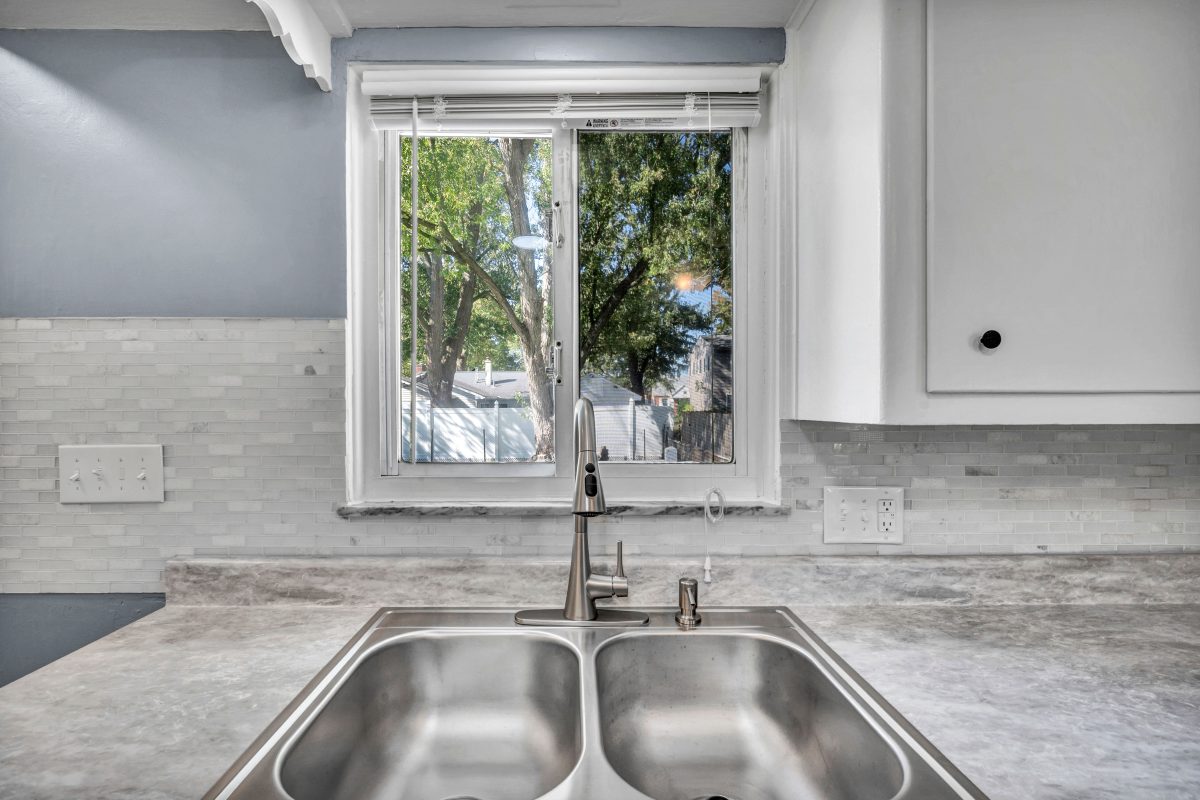
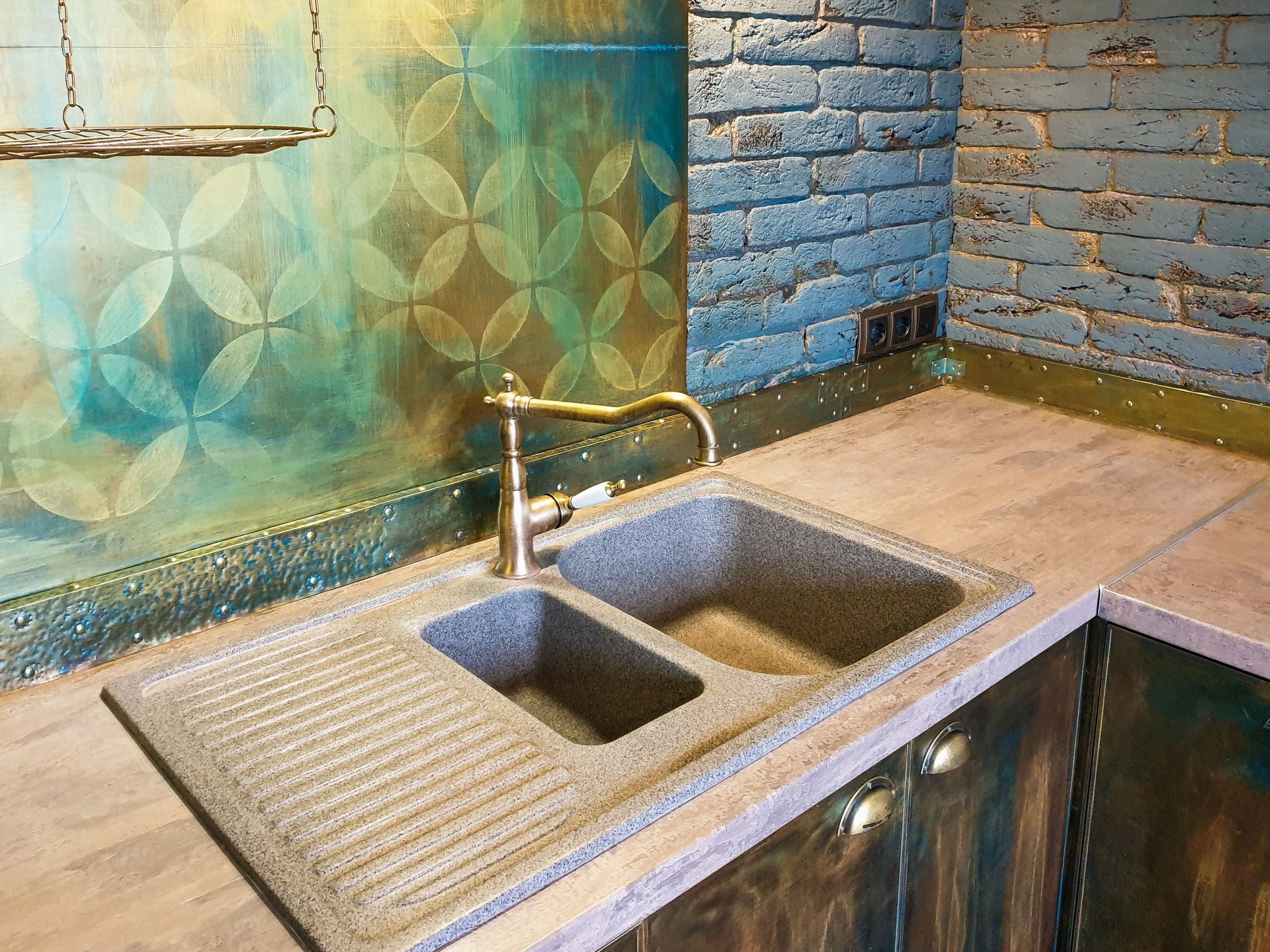
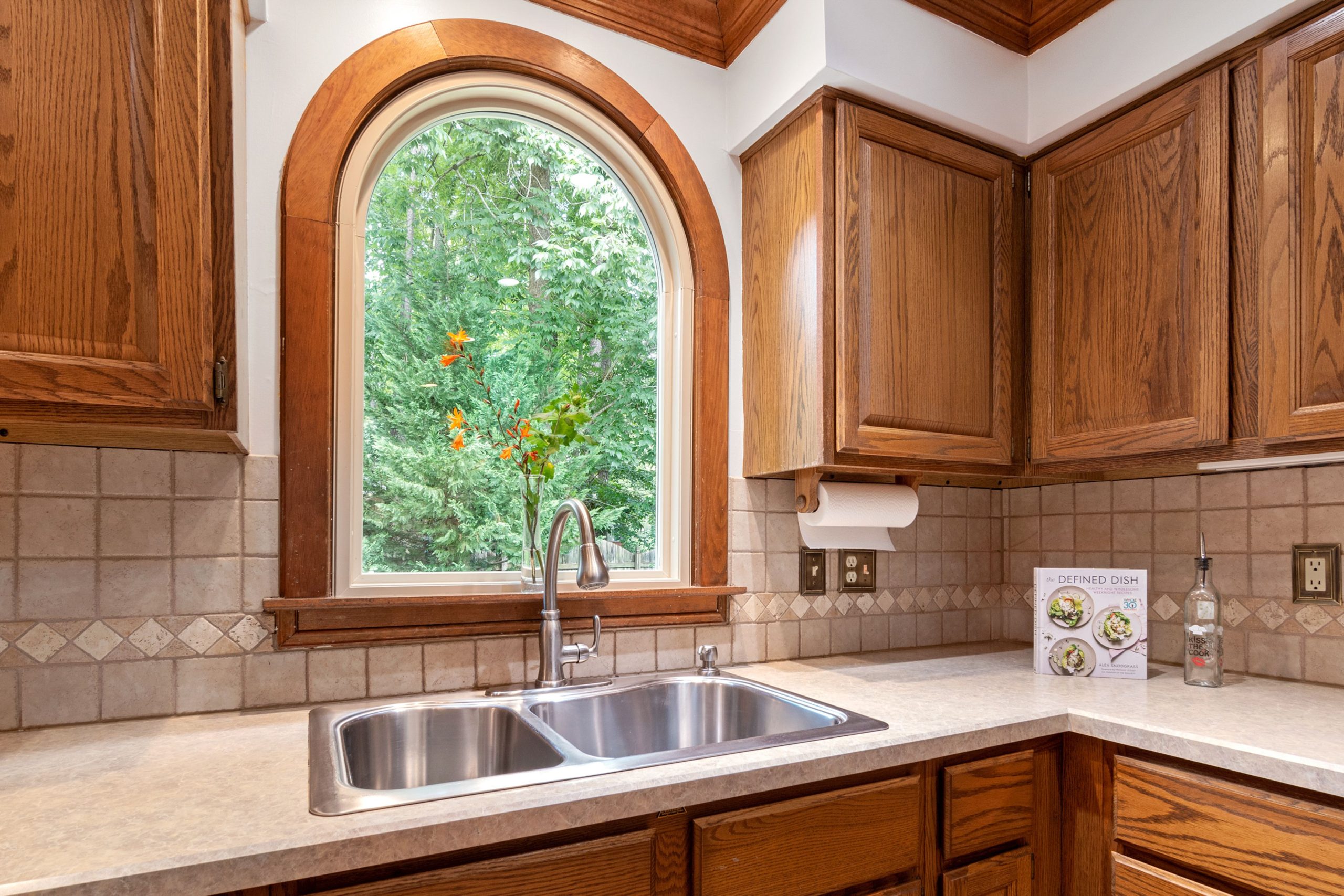
The classic 50/50 split divides the sink into two equal basins, but uneven splits (60/40 or 70/30) are often the smarter pick: a large main basin for the big jobs plus a smaller side for prep and rinsing. Low dividers, which sit a few inches below the rim, are a clever compromise — they separate tasks but still let long items rest across both sides. When comparing kitchen sink configurations from single to triple bowl and beyond, pay attention to these split ratios; they matter more than most shoppers expect.
How your cooking style should decide
Be honest about your routine. If you run the dishwasher daily and hand-wash only the occasional pan, a single bowl is almost certainly the better pick — the dishwasher handles the volume, and the big basin handles the awkward items. If you hand-wash most dishes, cook elaborate meals, or preserve and can in season, the double bowl’s divide-and-conquer layout earns its keep.
Household size matters too. Two cooks working side by side will fight over a single bowl; a double lets one person prep vegetables while the other washes. And think about your water habits: a double bowl makes it easy to keep a basin of rinse water ready, which pairs well with water-saving habits like washing in batches instead of running the tap continuously.
Space, cabinets, and installation realities
Your cabinet sets hard limits. A standard 36-inch sink base comfortably fits most double bowls; a 30-inch base can take a single bowl generously or a double bowl tightly. Measure the interior cabinet width, not the countertop, and remember that undermount installations need a little extra clearance for the mounting hardware.
Depth is the other dimension shoppers forget. Modern bowls run 9 to 10 inches deep versus the old 7-to-8-inch standard. Deeper is better for hiding dirty dishes and reducing splashing, but very deep sinks can be uncomfortable for shorter cooks and may require lowering the drain plumbing. If your kitchen refresh includes ventilation upgrades too, our ducted vs. ductless range hood guide is worth reading in the same planning session — sink and hood decisions both come down to matching capacity to how you actually cook.
Workstation sinks: the third option
Worth knowing about before you decide: workstation sinks are deep single bowls with a built-in ledge around the rim that holds sliding accessories — cutting boards, colanders, drying racks. They effectively turn the sink into extra counter space, giving you the openness of a single bowl plus the multitasking of a double.
They cost more and the accessories add up, but for serious cooks in mid-size kitchens they can be the best of both worlds. Much like choosing the right shower panel, the trick is to buy for your real routine: if you prep directly over the sink, a workstation earns its premium quickly; if you barely cook, it is jewelry on a sink you will not use.
Making the final call
Choose a single bowl if you have a dishwasher, cook in big batches, wash oversized pans and trays, or work with a compact cabinet. Choose a double bowl if you hand-wash heavily, juggle parallel tasks, share the kitchen with another cook, or simply grew up with two basins and know you like the rhythm.
Either way, buy the best quality you can within your pick — gauge, finish, and sound insulation matter more than the bowl count for long-term happiness. And if the sink is one piece of a bigger project, these bathroom remodeling tips cover budgeting and sequencing lessons that apply to kitchen work just as well. Get the configuration right once, and you will stop thinking about your sink entirely — which is exactly how it should be.