Style
Mixing Metals Without the Mess: A Room-by-Room Guide for Kitchens and Baths
Nov
There was a time when every metal in a kitchen or bathroom had to match: chrome faucet, chrome hardware, chrome shower trim, or the design police would come knocking. That rule is dead. Today’s best kitchens and baths confidently combine brass faucets with black hardware, chrome shower fittings with bronze mirrors — and they look better for it. But there is a fine line between artfully mixed and accidentally mismatched. Here is how to mix metals with intention, room by room.
The reason mixing works now is the same reason the all-white bathroom is fading: interiors have moved toward collected, layered looks rather than showroom-matched sets. Mixed metals add depth and a sense of personality, like jewelry chosen over time rather than bought as a set. The key word is chosen — random mixing reads as chaos, while deliberate mixing reads as design. These guidelines keep you on the right side of that line.
The two-to-three metal rule
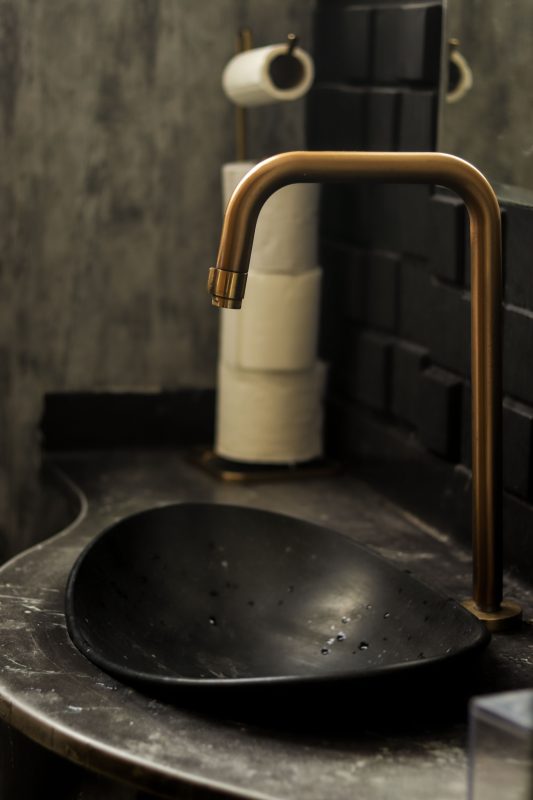
Limit yourself to two metals per room, three at most across an open-plan space. One metal should clearly dominate — say, brushed brass on the faucet, cabinet pulls, and mirror frame — while the second plays a supporting role, like matte black on the kitchen sink faucet or shower door frame. A third metal, if you use one, should appear in small doses: a chrome drain cover here, a nickel hinge there. When every metal shouts, none of them sing.
Pick a dominant metal and commit
Start with the largest visual element. In kitchens, that is usually the faucet and cabinet hardware; in bathrooms, the faucet plus the shower fittings. Choose one finish for these anchors and repeat it at least three times in the room — repetition is what makes a finish look deliberate. A lone brass faucet in a sea of chrome looks like a mistake; a brass faucet plus brass pulls plus a brass-framed mirror looks like a decision. This repetition principle is central to elegant modern bathroom remodeling, where restraint reads as luxury.
Kitchens: where each metal lives
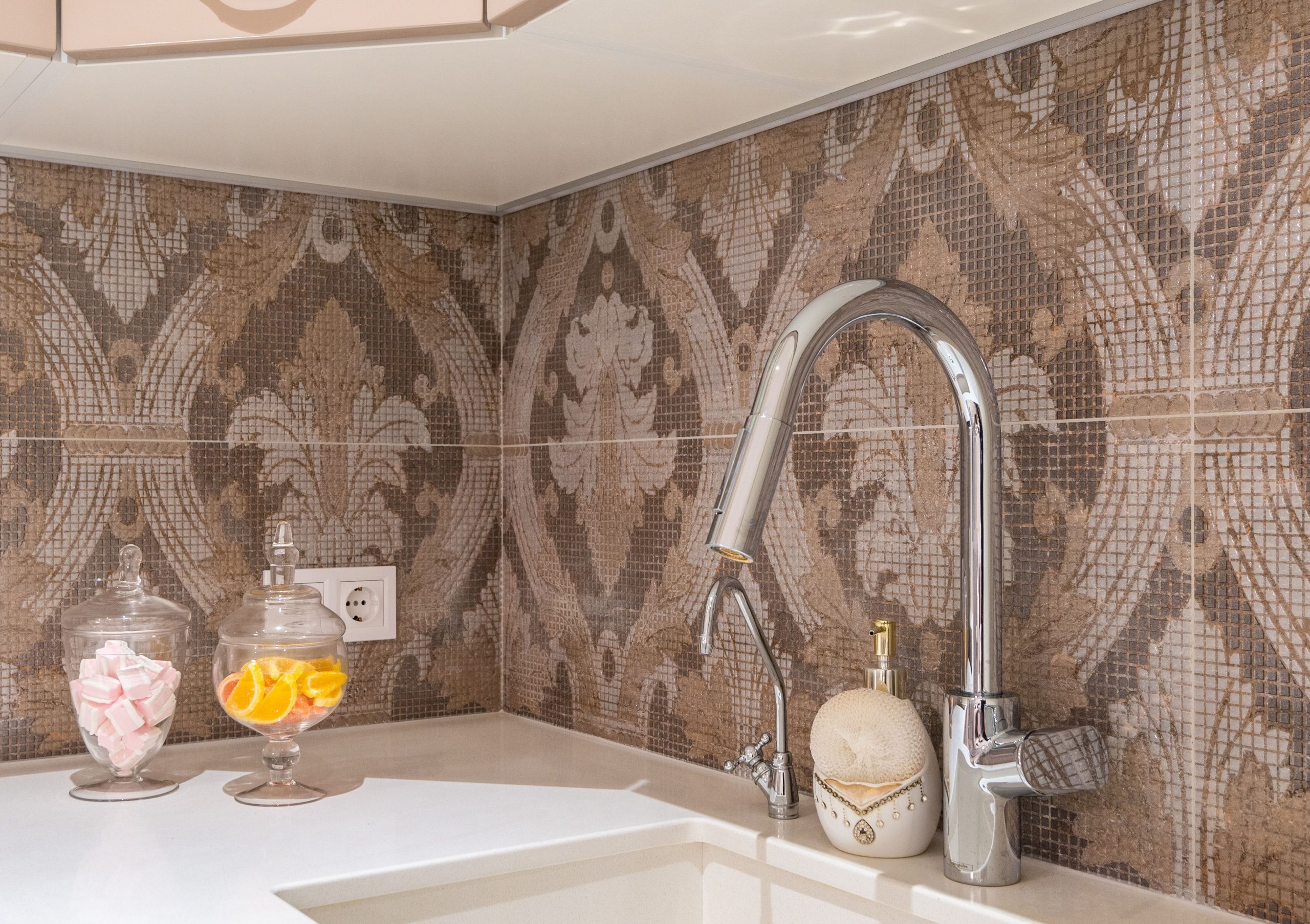
A reliable kitchen formula: one warm metal (brass, bronze, copper) for the faucet and statement hardware, one dark metal (matte black) for appliances trim, barstool frames, or the range hood surround, and let stainless appliances be the neutral third player that needs no introduction. The warm metal brings the charm; the black brings the architecture. Keep the two within the same visual temperature family — brushed finishes mix more forgivingly than polished ones, because their soft reflections do not compete. If your range hood is a visual anchor, treat its finish as one of your two metals rather than an afterthought.
Bathrooms: faucet, hardware, mirror
Bathrooms are smaller, so the mixing must be tighter. A classic 2026 combination: brushed brass faucet and shower fittings as the dominant metal, matte black for the mirror frame and cabinet pulls as the accent. The mirror is your secret weapon — a metal-framed mirror is the easiest place to introduce a second finish without touching plumbing. If you are installing a shower panel, its finish counts as a major metal decision in a small bath, so coordinate it with the faucet rather than treating it as invisible.
Combinations that always work
Some pairings are nearly foolproof. Brushed brass plus matte black is the current designer favorite — warm against architectural. Polished chrome plus matte black is the safe modern pairing when you want contrast without warmth. What unites all three: one finish is warm or light, the other is dark or cool, and both are used consistently. For a cohesive feel across the whole home, echo the same pairing in both kitchen and bath — the repetition from room to room is what makes a house feel designed rather than decorated, a hallmark of a truly warm and welcoming home.
What not to do
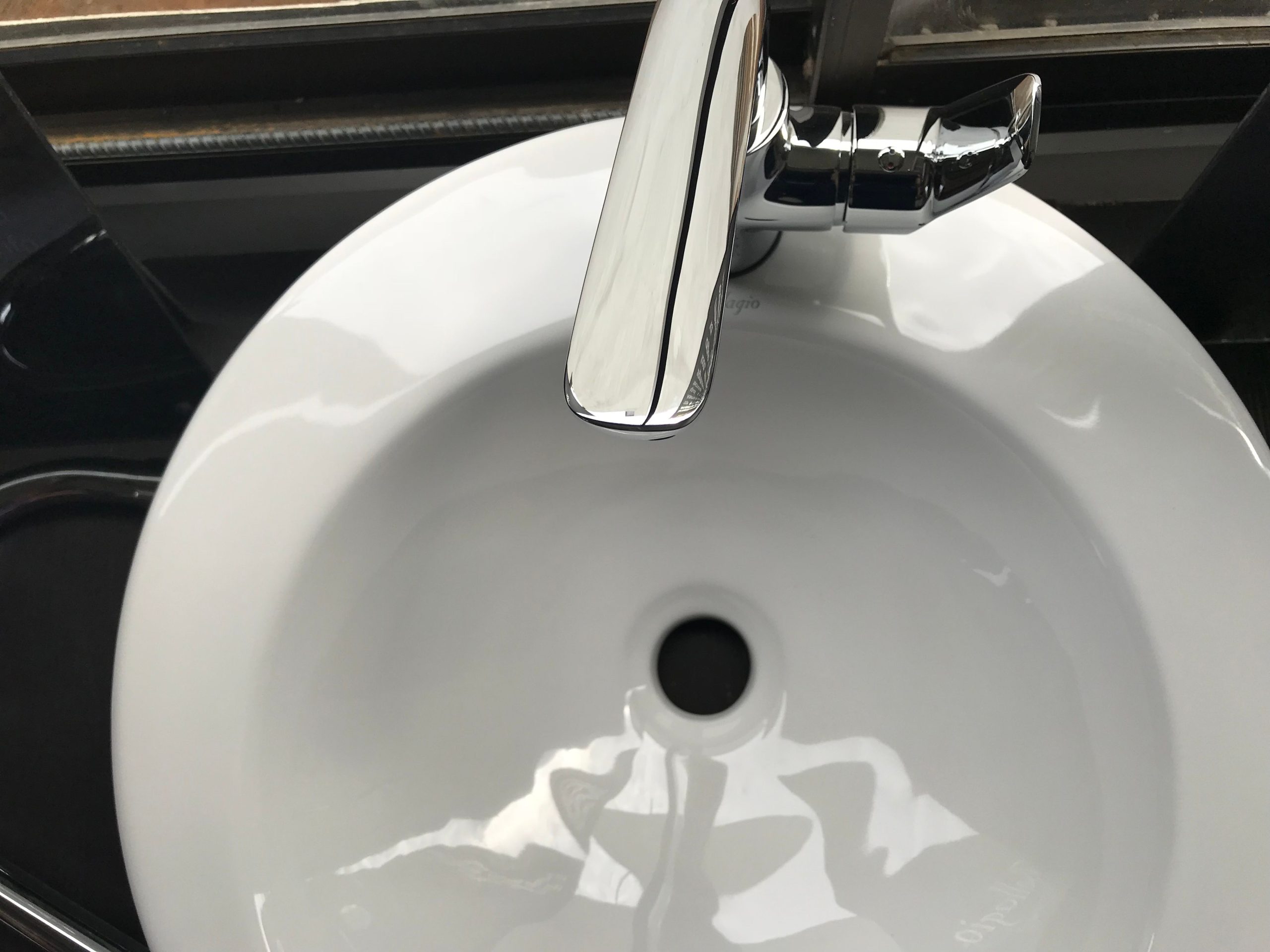
Do not mix two similar-but-different metals and expect them to read as intentional — brushed nickel next to polished chrome just looks like you could not decide. Either match closely or contrast clearly. Do not introduce a new metal in a single tiny accessory; a lone copper soap dish in a chrome bathroom is clutter, not curation. And do not forget maintenance: living finishes like unlacquered brass develop a patina, which is beautiful if you want it and annoying if you do not — know which camp you are in before you commit. If your existing fixtures are simply worn rather than wrong, check common fixture issues first; sometimes a deep clean beats a replacement.
The bottom line
Mixing metals is not about breaking rules — it is about replacing one rigid rule with a better framework: two metals, one dominant, repeated deliberately, contrasted clearly. Done this way, your kitchen and bath stop looking like they came off a showroom floor and start looking like they belong to someone with taste. For the eco-conscious, remember that keeping quality fixtures longer is the greenest choice of all — timeless finishes you will not rip out in five years beat trendy ones on every measure that matters, from your wallet to the landfill.