Kitchen Sink
Fireclay Farmhouse Sinks: Are They Worth the Splurge?
Nov
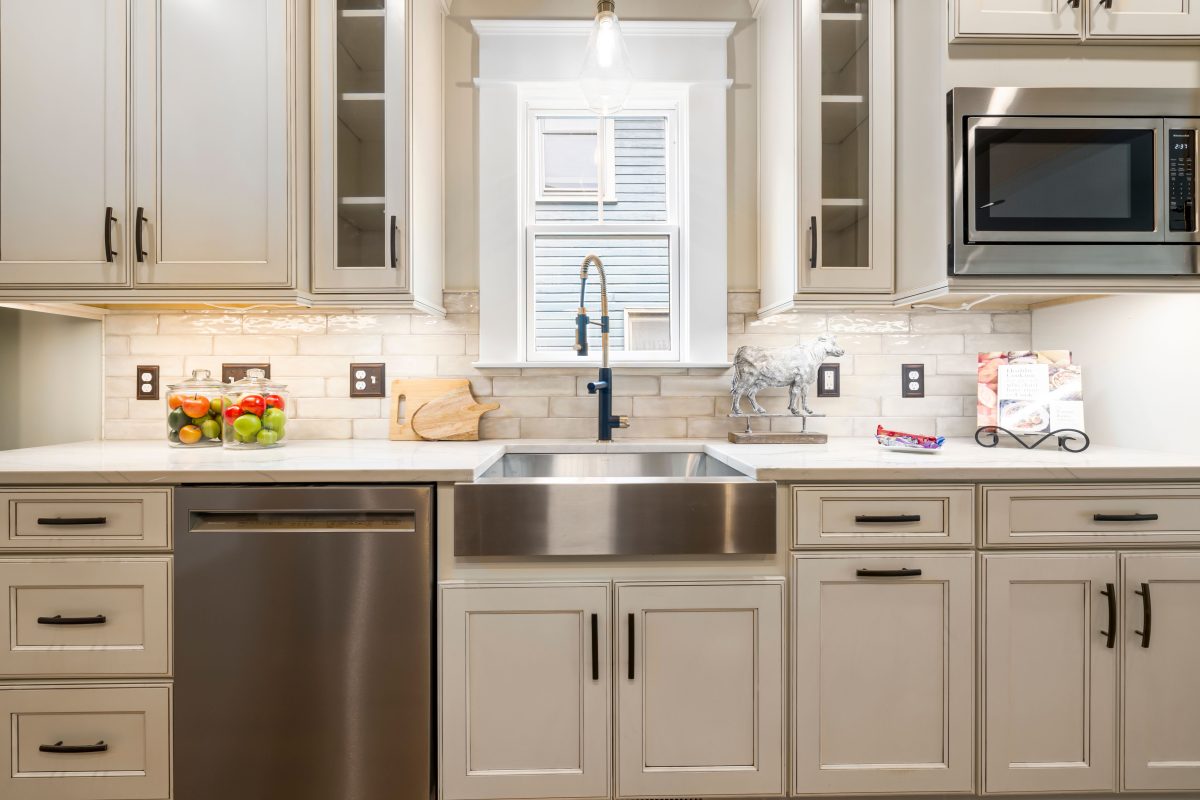
Few kitchen fixtures photograph as beautifully as a fireclay farmhouse sink. That deep, glossy white basin with its proud apron front has anchored countless dream-kitchen mood boards — and plenty of real renovations too. But behind the good looks sits a serious price tag, a very heavy box, and an installation that can humble even confident DIYers.
So the question is fair: is a fireclay farmhouse sink actually worth the splurge, or are you paying mostly for the aesthetic? The honest answer is that it depends on what you value — because fireclay’s strengths and weaknesses are both extreme. Here is the full picture, from the kiln to your cabinet.
What makes a sink ‘fireclay’ — and what makes it farmhouse
Two different ideas get bundled into one product, so let us separate them. Fireclay is the material: natural clay mixed with glaze, molded into shape, then fired in a kiln at extremely high temperatures — around 1200°C. The result is a dense, glass-smooth, non-porous surface fused to a sturdy clay body. Farmhouse, or apron-front, is the style: a deep single basin whose finished front panel replaces a section of cabinetry, putting the sink’s face on display.
You can buy farmhouse sinks in stainless steel, copper, or granite composite, and you can buy fireclay in undermount styles. But the classic pairing — white fireclay plus apron front — is the look most people picture. When browsing kitchen sink configurations from single to triple bowl, you will notice fireclay lives almost entirely in the deep-single-basin world, which already tells you something about who it is for.
The case for fireclay: looks, durability, and heat
Start with the obvious: nothing looks quite like it. The glossy, furniture-like finish brings a crafted, timeless quality that stainless steel cannot match, and it works in farmhouse, transitional, and even modern kitchens when paired with the right faucet. White fireclay also brightens the whole sink run — a real asset in kitchens with limited natural light.
Performance backs up the beauty. The glazed surface shrugs off stains from coffee, tomato sauce, turmeric, and red wine that would mark other materials. It tolerates boiling water and hot pans without breaking a sweat, and it will not fade, even after years of sunlight from a window above. A well-made fireclay sink can genuinely last 30 years or more. For shoppers drawn to sustainable materials, there is a quiet argument here too: buy once, keep it for decades, and keep one more fixture out of the landfill.
The honest drawbacks: weight, cost, and chipping
Now the other side. A fireclay farmhouse sink is heavy — often 100 pounds or more before water and dishes. Your cabinet must be reinforced to carry it, and the apron-front cutout has to be measured to the millimeter, because every handmade sink varies slightly in size. That variation is charming until your countertop fabricator is on site.
Cost is the second hurdle: expect to pay several times the price of a good stainless sink, plus higher installation labor. And while the glaze is hard, it is not invincible — a heavy cast-iron pan dropped from height can chip it, and unlike stainless, a chip in fireclay is visible and difficult to repair invisibly. If your kitchen is a high-impact zone with kids learning to unload the dishwasher, weigh that risk honestly. As with choosing the right shower panel, the smart move is to match the product to the household, not the fantasy.
Installation: what your cabinets need to know
Farmhouse installation is the part most buyers underestimate. The sink replaces the cabinet’s false drawer front and part of its face frame, so the base cabinet usually needs modification or outright replacement with a farmhouse-ready unit. Support is non-negotiable: the sink must rest on a reinforced frame or plywood platform inside the cabinet, never hang from the countertop alone.
Plumbing needs attention too — the deep basin sits lower than a standard sink, so the drain and disposal connections shift, and the P-trap may need reconfiguration. This is firmly professional-installation territory for most homeowners. The principles overlap with any fixture swap: measure twice, support the weight, and respect the plumbing, much like the careful prep described in our guide on how to install a rain shower head, where planning the rough-in correctly matters more than the final twist of a wrench.
Living with it: care and cleaning
Day to day, fireclay is wonderfully low-maintenance. The non-porous glaze resists odors and bacteria, and most messes wipe away with dish soap and a soft sponge. For stubborn marks, baking soda paste does the job without scratching. Avoid abrasive scouring pads and harsh acidic cleaners left sitting for hours — the glaze is tough, but it appreciates the same gentle treatment you would give any fine finish.
One practical tip: use a bottom grid. A stainless or silicone rack sitting in the basin protects the glaze from dropped pots and keeps dishes from sitting in pooled water. It is a small accessory that meaningfully extends the sink’s pristine years. And if your renovation touches the bathroom as well, these design tips for a warm and welcoming bathroom share the same philosophy that makes fireclay appealing — invest in the pieces you touch every day.
Verdict: who should buy one
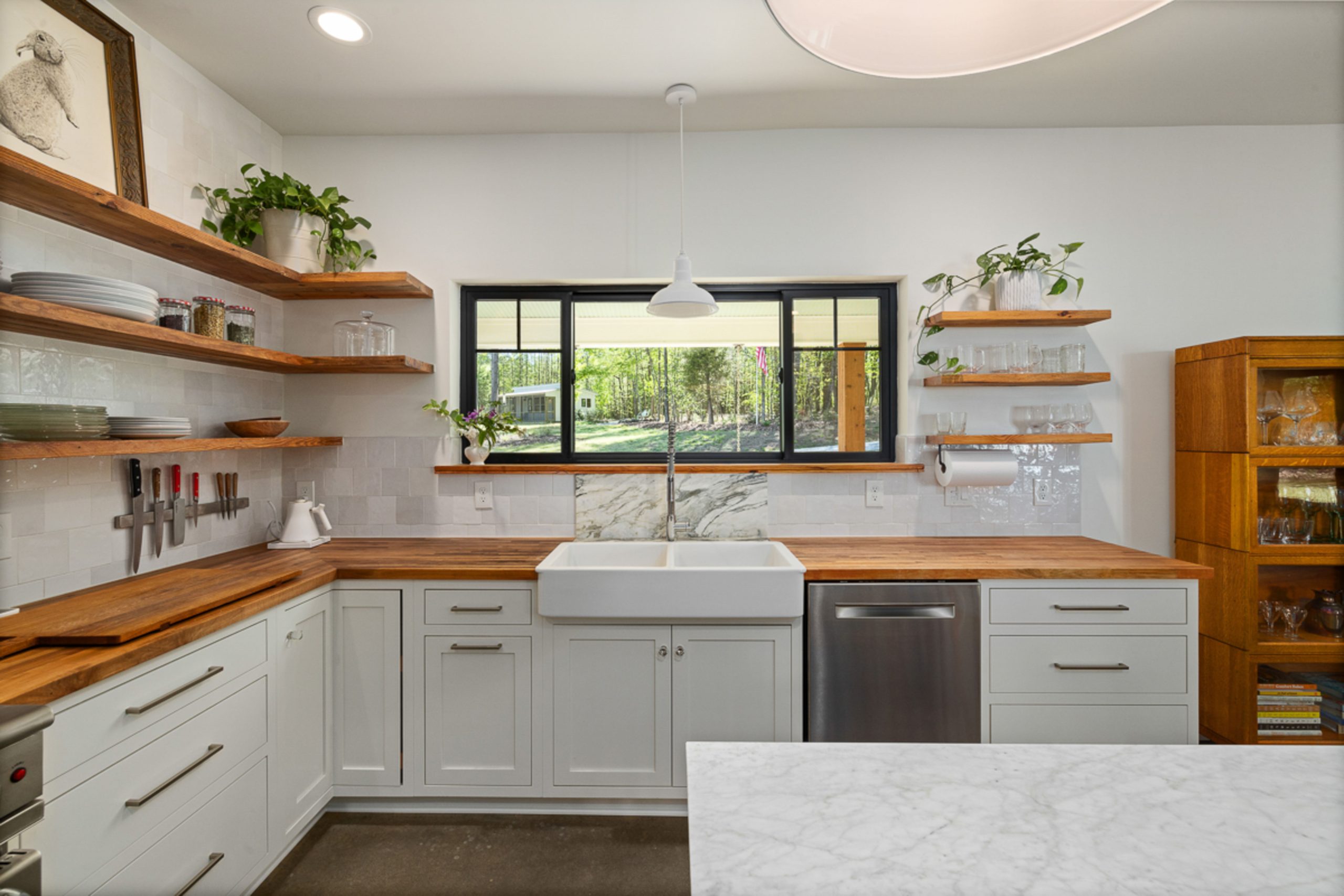
Buy the fireclay farmhouse sink if you are renovating for the long term, love the classic look enough to plan cabinetry around it, cook and entertain often enough to use that deep basin daily, and can budget for professional installation. It is a lifetime fixture, and it earns its keep.
Skip it — for now — if you are on a tight budget, renting out the property, or planning to sell within a couple of years, where you will not recoup the premium. A quality stainless or composite sink serves just as well functionally. Whatever you choose, these bathroom remodeling tips carry a lesson worth remembering in the kitchen too: spend the most where your hands and eyes land every single day. For many households, that is exactly the sink.