Range Hood
Island Range Hoods: What Changes When Your Cooktop Moves to the Island
Nov
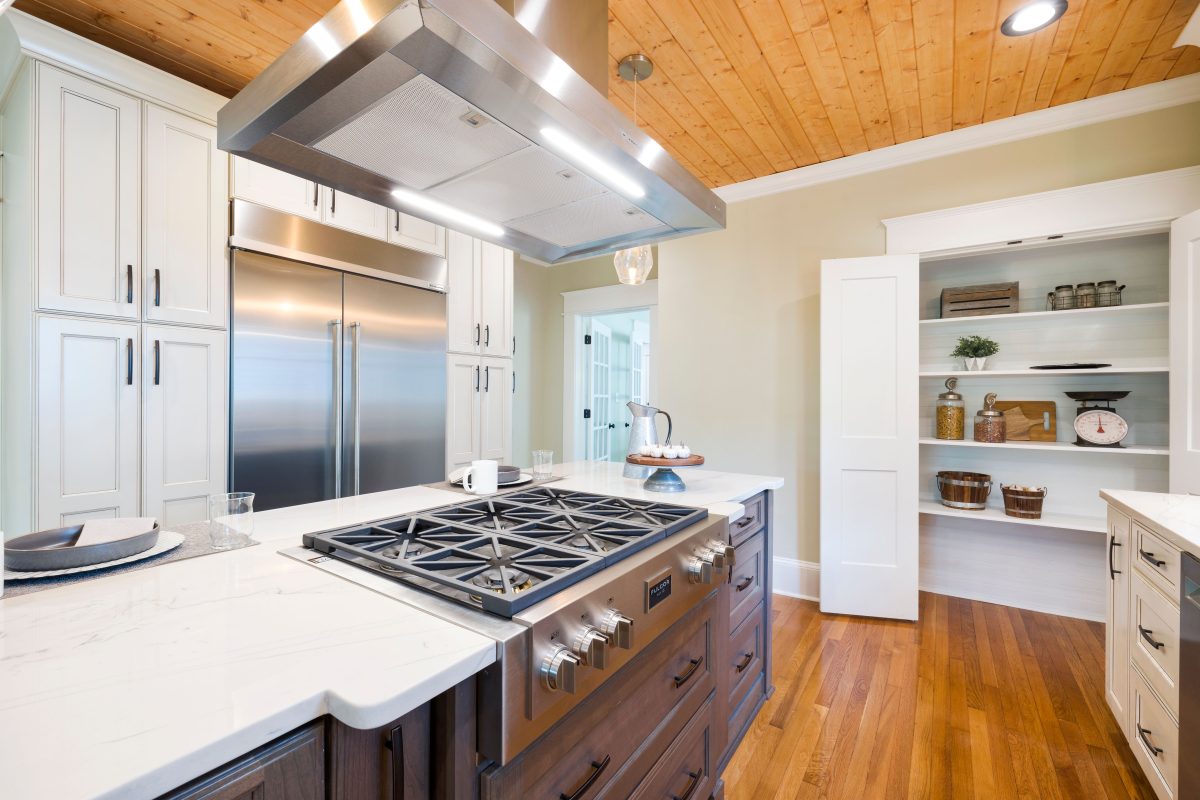
Moving the cooktop to a kitchen island changes everything about ventilation. Without a wall behind the range, smoke and steam rise straight up into open air — and your range hood has to catch them from a ceiling mount, often with longer duct runs and higher ceilings to contend with. Island hoods are engineered exactly for this job, but they come with their own rules.
Island kitchens remain one of the most requested layouts in 2026 renovations, and the hood is frequently the detail homeowners underestimate. Here is what makes island ventilation different, and how to get it right.
Why island hoods work harder
A wall-mount hood benefits from the wall itself: rising fumes hit the wall and curl back into the canopy. An island hood has no such helper — air currents from every direction, foot traffic, and HVAC drafts can all push cooking plumes sideways before they reach the canopy. The result: island installations need more capture area and typically more CFM than the equivalent wall setup to achieve the same air quality.
That is why island hoods are almost always wider than the cooktop — a 36-inch island range wants a 42-inch hood at minimum — and why 600+ CFM blowers are common in this category. If you are comparing ventilation approaches generally, our ducted vs. ductless range hood guide covers the fundamentals that apply here too.
Ceiling height and mounting
Island hoods hang from the ceiling, so your ceiling height dictates everything. Standard models suit 8–9 foot ceilings; taller ceilings need chimney extensions, and very tall or vaulted ceilings may require a custom solution. Mounting height above the cooktop typically runs 30–36 inches — higher than wall hoods, because the installer must balance capture efficiency against head clearance and sight lines across the island.
Structural support is non-negotiable: the ceiling must carry the hood’s weight plus the ductwork. In new construction this is easy to plan; in retrofits, opening the ceiling to add blocking is often part of the job. Budget for it.
Ducting an island hood
The ideal duct path goes straight up through the ceiling and out the roof — short, vertical, and efficient. Reality is messier: joists, second floors, and roof geometry can force longer runs with elbows, each of which reduces effective airflow. Use smooth rigid metal ducting (never flexible foil), keep elbows to a minimum, and size up the duct diameter if the run is long.
Where exterior ducting is truly impossible, ductless island hoods exist, but be honest about the trade-off: without a wall to help capture and without exterior exhaust, a ductless island hood is the weakest configuration in the ventilation world. It is better than nothing, but temper expectations.
Sizing for open-concept spaces
Island cooktops usually sit in open-concept great rooms, which means the hood is ventilating far more than the kitchen’s square footage. Size up: many pros recommend adding 100+ CFM beyond the cooktop-based calculation for open plans, and considering the room’s total volume. This is the same generous-sizing logic behind designing for larger or open spaces elsewhere in the home — plan for the air you actually have, not the room you wish you had.
And remember the make-up air threshold: powerful island blowers routinely exceed 400 CFM, which triggers make-up air requirements in many codes. A make-up air damper interlocked with the hood is the standard solution — plan for it in the budget from day one.
Design: making it beautiful
An island hood hangs in the middle of your sight lines, so aesthetics matter more here than anywhere. The good news: island hoods come in stunning designs — sculptural glass, minimalist cylinders, matte black statements. Coordinate with your island lighting (pendants flanking the hood is a classic look) and keep the finish consistent with appliances and fixtures, the same way choosing the right kitchen sink anchors the rest of the kitchen’s material palette.

Maintenance realities
Island hoods are harder to reach for filter cleaning — you will be standing on the island side with no wall to brace against, so choose dishwasher-safe baffle filters you can pop out easily. Clean them monthly if you cook daily; grease buildup on an island hood is more visible to guests, too. If filters or airflow ever seem off, the same methodical approach in our troubleshooting guides applies: check the simple causes (clogged filter, closed damper) before assuming the blower is failing.
The bottom line
An island hood is the most demanding — and most rewarding — ventilation choice: bigger canopy, stronger blower, careful duct planning, and a design that earns its place in the center of the room. Get the sizing and ducting right and your open-concept kitchen stays clear even during holiday cooking marathons. And while you are investing in a healthier kitchen, consider the rest of the house too — from eco-friendly fixtures to everyday water-saving habits, whole-home thinking is what turns a renovation into an upgrade.