Style
Kitchen Lighting, Layered: Task, Ambient, and Accent Light That Actually Works
Nov
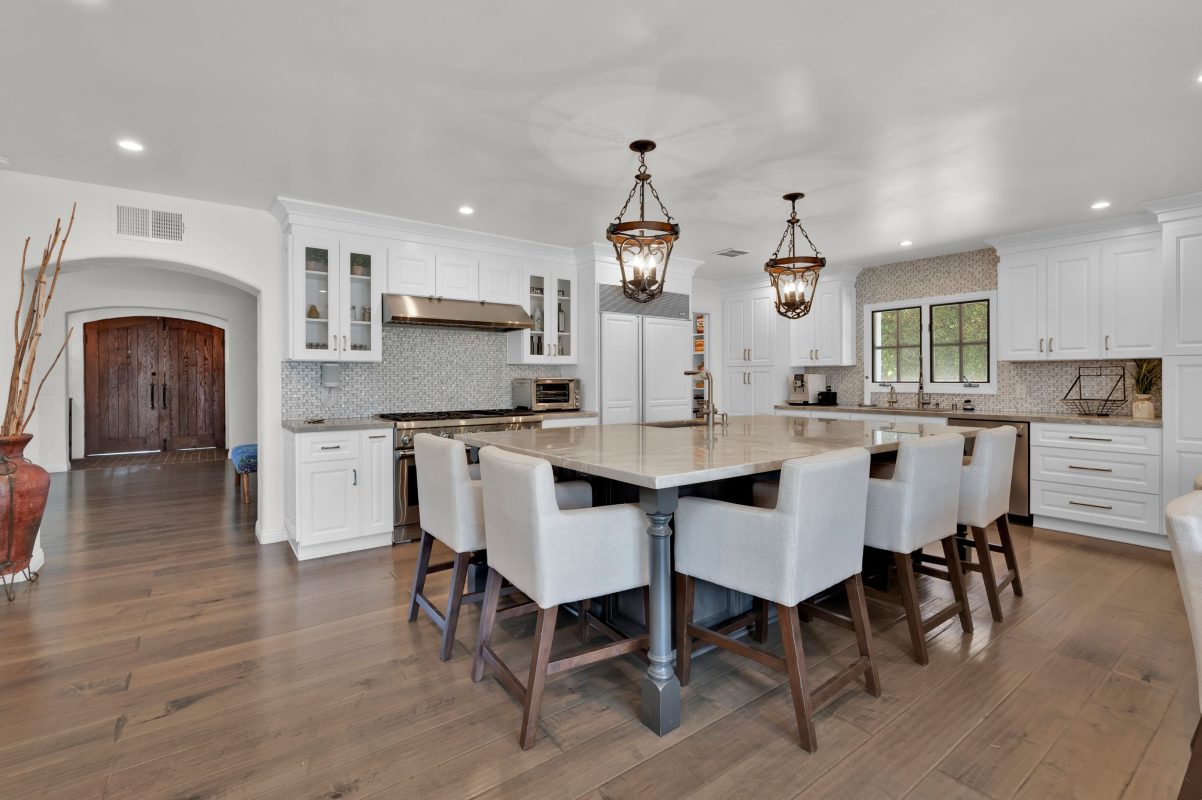
Most kitchens are lit like interrogation rooms: a single harsh ceiling fixture blasting the middle of the floor while the counters — where the actual work happens — sit in shadow. Good kitchen lighting is not about more light; it is about light in the right layers. Designers plan three: task lighting for work zones, ambient lighting for general glow, and accent lighting for depth and drama. Get all three working together and the same kitchen cooks better, photographs better, and feels better at 7am and 9pm alike.
The layered approach matters more in kitchens than almost any other room because the kitchen is three rooms in one: a workshop, a gathering place, and — in open plans — part of the living space. One light source cannot serve all three moods. The good news is that layering is mostly about placement, not budget; even modest kitchens can carry all three layers with a thoughtful plan.
Layer one: task lighting where the work happens
Task lighting is the non-negotiable layer. Under-cabinet LED strips or pucks wash the counters in shadow-free light exactly where you chop, read recipes, and check whether the chicken is done. Over the island, pendant lights should hang 30 to 36 inches above the countertop — low enough to light the work surface, high enough to preserve sightlines across the room. At the kitchen sink, a dedicated downlight or a pendant centered on the window keeps the busiest square footage in the kitchen out of your own shadow. If you do nothing else, fix the task layer first; it delivers the biggest daily payoff.
Layer two: ambient light for the whole room
Ambient light is the base coat — recessed ceiling cans on a dimmer, a flush-mount fixture, or a combination that spreads even, glare-free illumination. In 2026 kitchens, the trend is fewer, better-placed recessed lights rather than the old grid of a dozen cans; four to six well-aimed LEDs beat twelve scattered ones. Put ambient lights on their own dimmer switch, separate from task lighting, so the room can shift from full-bright prep mode to soft evening glow without killing the counter lighting you still need. The same dimmer discipline that makes a warm and welcoming bathroom work applies here: control is what creates mood.
Layer three: accent light for depth
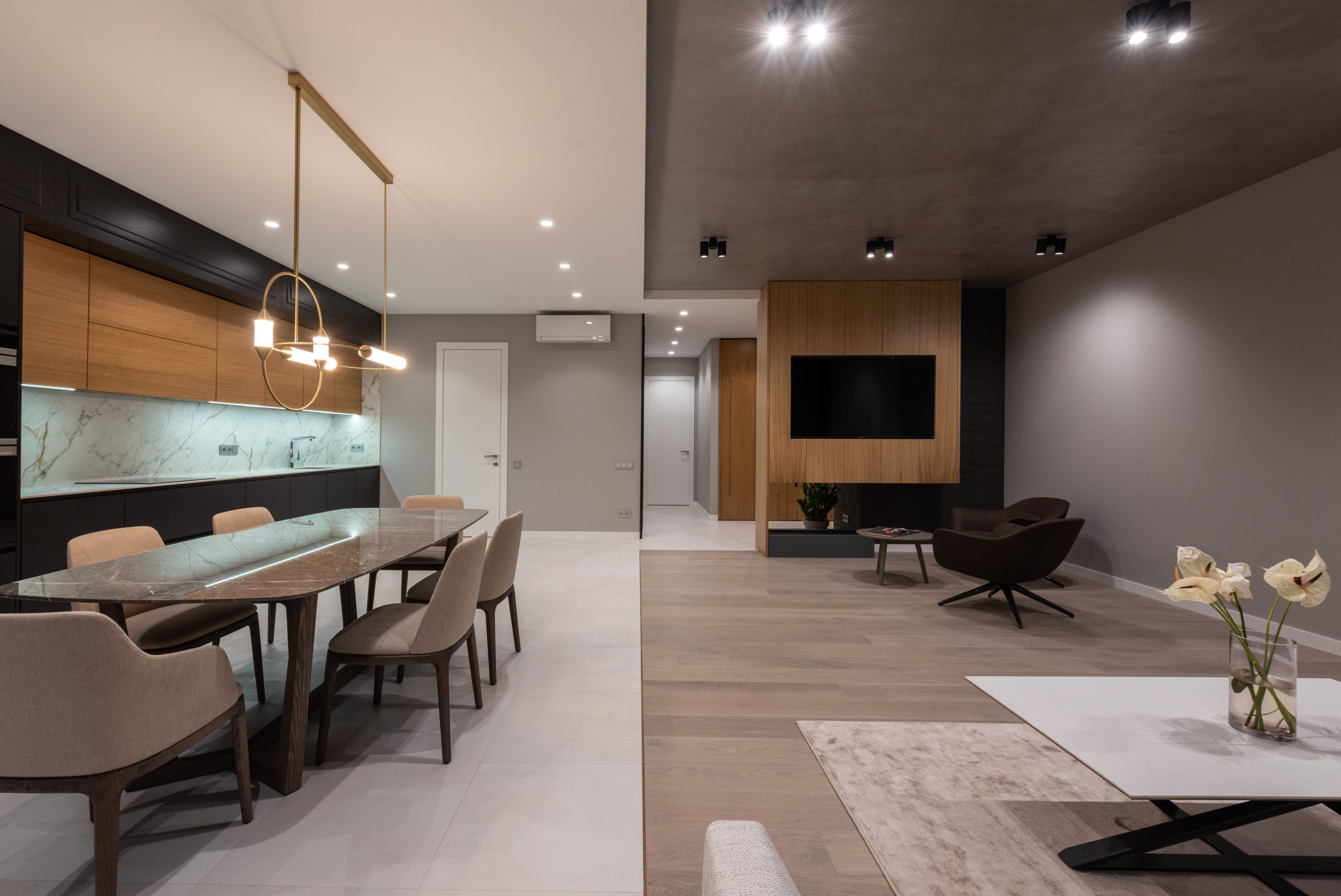
Accent lighting is the layer most kitchens skip and the one guests notice most. LED strips above wall cabinets wash the ceiling with a soft glow that makes the room feel taller. In-cabinet lighting with glass-front doors turns dishware into decor. A toe-kick strip under the base cabinets creates a floating effect that reads as high-end for the cost of a tape light. None of these help you chop an onion; all of them make the kitchen feel finished. In open-plan homes, accent lighting is also what visually separates the kitchen zone from the living zone after dark.
Bulb temperature and dimmers: the details that decide
Every layer should run 2700K to 3000K — warm white that flatters food, wood, and skin. Cooler temperatures make kitchens feel commercial and unappetizing. Match the temperature across all layers; mixed temperatures (warm pendants, cool cans) are a common amateur tell. And put everything on dimmers — LED-compatible dimmers, specifically, since mismatched dimmer-and-bulb pairings cause the flicker that drives people crazy. High-CRI bulbs (90+) render colors accurately, which matters when you are judging whether produce is ripe or meat is browned. They also sip energy compared to old halogens — a small efficiency win in the spirit of sustainable home upgrades.
Don’t forget the range hood
The range hood is an overlooked lighting asset: most quality hoods include task lights aimed straight at the cooktop, which is precisely where you need the brightest, most focused light in the kitchen. When comparing hoods, check the lighting spec alongside CFM — bright, warm LED cooktop lights turn the range from a shadow zone into the best-lit spot in the room. If your current hood’s lights are dim or yellowed, replacing the bulbs is a five-minute upgrade with outsized impact.
Common mistakes to avoid
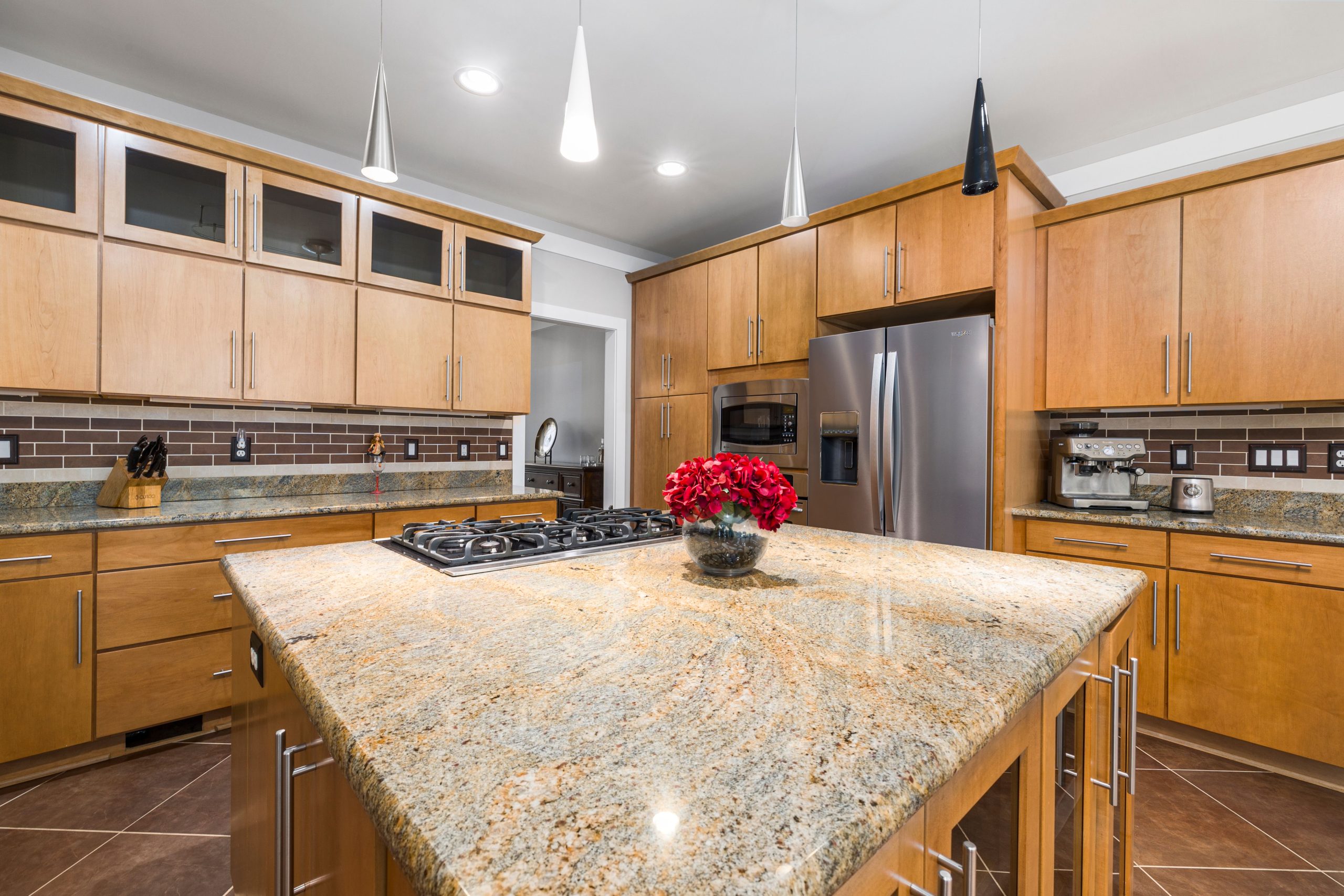
The classic errors: pendants hung too high to be useful (or so low you bang your head), recessed cans placed to light the floor instead of the counters, no dimmers anywhere, and a single switch controlling everything. Another: forgetting the pantry and the inside of deep cabinets — a ten-dollar motion-sensor light strip ends the era of groping for the paprika. In small-space design thinking, every dark corner you eliminate makes the footprint feel larger, and kitchens benefit from that logic as much as baths. And for the style-conscious, remember that fixtures are jewelry: the pendant you choose does as much for the kitchen’s look as any elegant remodeling choice elsewhere in the home.
The bottom line
Layered kitchen lighting is not a luxury upgrade — it is the difference between a kitchen that fights you and one that works with you. Start with task lighting at the counters, sink, and range; add dimmable ambient for overall glow; finish with a touch of accent for depth. Do it in warm white, put it all on dimmers, and your kitchen will look designed rather than merely illuminated — morning, noon, and night.