Range Hood
Wall-Mount Range Hoods: How to Pick the Right Chimney Hood
Nov
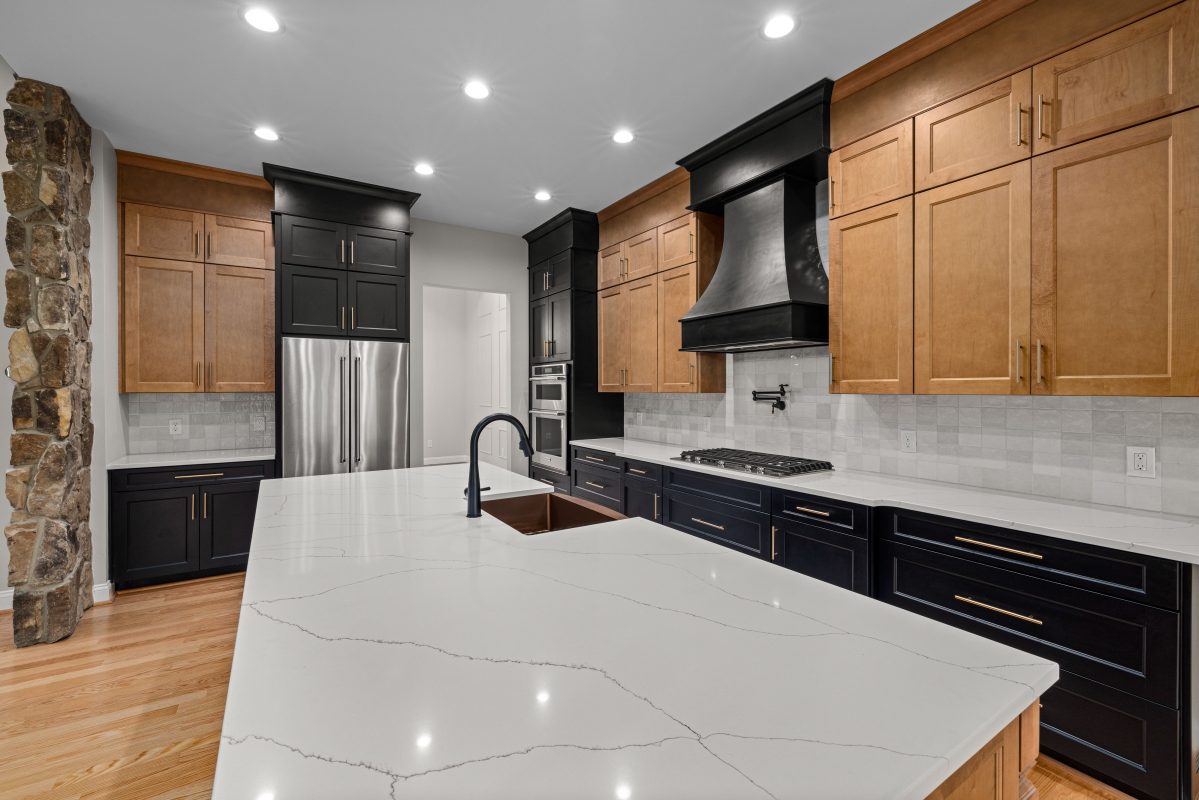
Some kitchen appliances hide. The wall-mount range hood does the opposite — it rises from the cooktop like a sculptural chimney, turning ventilation into a design statement. Also called chimney hoods, these are the models you see in kitchen magazines: a broad canopy over the range tapering into a sleek stainless flue that runs to the ceiling.
But a wall-mount hood is not just decoration. Mounted against the wall with no cabinet above, it often allows a larger capture area and higher-powered blowers than under-cabinet models — a real advantage for serious home cooks. Here is how to choose the right one for your kitchen, your cooking, and your budget.
How a chimney hood works
A wall-mount hood’s canopy hangs over the cooktop and funnels rising smoke, steam, and grease-laden air into the blower, which pushes it through ductwork to the outside — or, in ductless configurations, through charcoal filters and back into the room. The chimney flue above the canopy conceals the duct and wiring, giving that clean, architectural look. Because there is no cabinet constraining the size, canopies can run 36, 42, or even 48 inches wide to cover professional-style ranges.
Like all hoods, chimney models come in ducted and ductless versions. For a full comparison of the two approaches, see our breakdown of ducted vs. ductless range hoods before you commit.
Sizing the canopy to your cooktop
The golden rule: the canopy should be at least as wide as the cooktop, and ideally 3 inches wider on each side. A 30-inch range pairs well with a 36-inch hood; a 36-inch pro-style range wants a 42-inch canopy. That overhang is what captures the smoke rolling off the front burners, which is where most capture failures happen.
Depth matters too. Standard canopies are 18–24 inches deep, but the hood should cover the full depth of the cooktop. If you do a lot of front-burner cooking on a deep commercial-style range, favor the deeper canopy.

How much power do you need?
Chimney hoods commonly offer 400–1,200 CFM, far more than most kitchens need. A practical sizing method: for gas cooktops, allow roughly 100 CFM per 10,000 BTU of burner output — a 60,000-BTU range suggests about 600 CFM. For electric cooktops, 100 CFM per linear foot of cooktop width is a common rule of thumb. Open-concept kitchens and high ceilings argue for the higher end, since cooking fumes have more room to wander.
One caution: once you pass about 400 CFM, many building codes require make-up air — a dedicated source of replacement air so the hood does not depressurize the house. Factor that into your budget before falling in love with a 1,200-CFM showpiece.
Style and finish choices
Chimney hoods come in more styles than any other category: classic stainless pyramid, sleek glass canopy, modern T-shape, rustic wood-trimmed, even custom plaster. Stainless remains the safe, timeless pick that coordinates with most appliances. If your kitchen leans warm and traditional, a hood with wood or brass accents can tie the whole room together.
Think of the hood as part of a whole-kitchen design conversation. The same care you put into choosing the right kitchen sink or planning bathroom remodeling elsewhere in the house pays off here: consistent finishes and proportions make the kitchen feel intentional rather than assembled.
Installation: what to know before you buy
Wall-mount hoods need a clear wall run to the ceiling — no cabinets in the way — and ideally a short, straight duct path to the exterior. Measure your ceiling height carefully: standard chimney flues adjust for 8–9 foot ceilings, but vaulted or very tall ceilings need extension kits. Electrical is straightforward (a standard 120V circuit), but the ductwork is where installations get expensive, especially if the run must cross joists or exit through a finished roof.
Mounting height follows the same rules as other hoods: typically 30–36 inches above the cooktop for gas, 24–30 for electric, per the manufacturer’s specs. If you enjoy DIY projects, our rain shower head installation walkthrough gives a feel for the skill level involved — though most homeowners hire a pro for the ductwork portion of a chimney hood install.
Noise, lighting, and extras
Check the sone rating at each fan speed, not just the maximum CFM — a hood you dread turning on is a hood that will not get used. Look for models under 5 sones on high, and consider variable-speed or “quiet boost” modes. LED task lighting under the canopy is standard on good models and genuinely useful; some also offer ambient lighting, filter-change indicators, and heat sensors that ramp the fan automatically.
The bottom line
A wall-mount chimney hood is the right pick when you want serious capture power and a strong design presence — especially over a pro-style range on an open wall. Size the canopy generously, do not oversize the blower beyond your needs (and your code’s make-up air threshold), and coordinate the finish with the rest of the kitchen. Done right, it becomes the hardest-working style statement in the room — and the same design discipline that makes a kitchen sing works in the bath too, from choosing the right shower panel to the finishing touches in our guide to a warm and welcoming bathroom.