bath
Brushed vs. Polished Stainless Steel: Which Finish Is Right for Your Bathroom?
Oct
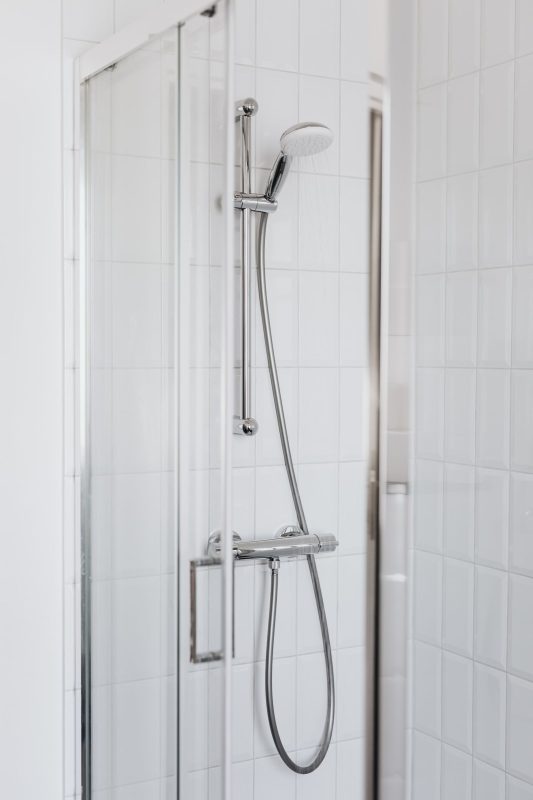
Walk into any bathroom showroom and stainless steel is everywhere: faucets, showerheads, towel bars, and full shower panels. But not all stainless steel looks the same. The two finishes you will see most are brushed and polished, and the choice affects more than just the look. It changes how much cleaning you will do, how the room feels, and how well your fixtures age. Here is how to pick.
What Brushed Stainless Steel Looks Like
Brushed stainless has a soft, matte surface with fine lines running in one direction, the result of brushing the metal with a fine abrasive. It does not reflect like a mirror. Instead it gives off a muted, satin glow. If you like a calm, modern, spa-like bathroom, brushed is usually the finish that delivers it, and it pairs naturally with stone, wood, and matte tiles. It is also the finish used on most modern shower panel designs, which is one reason those panels look so understated in a finished bathroom.
What Polished Stainless Steel Looks Like
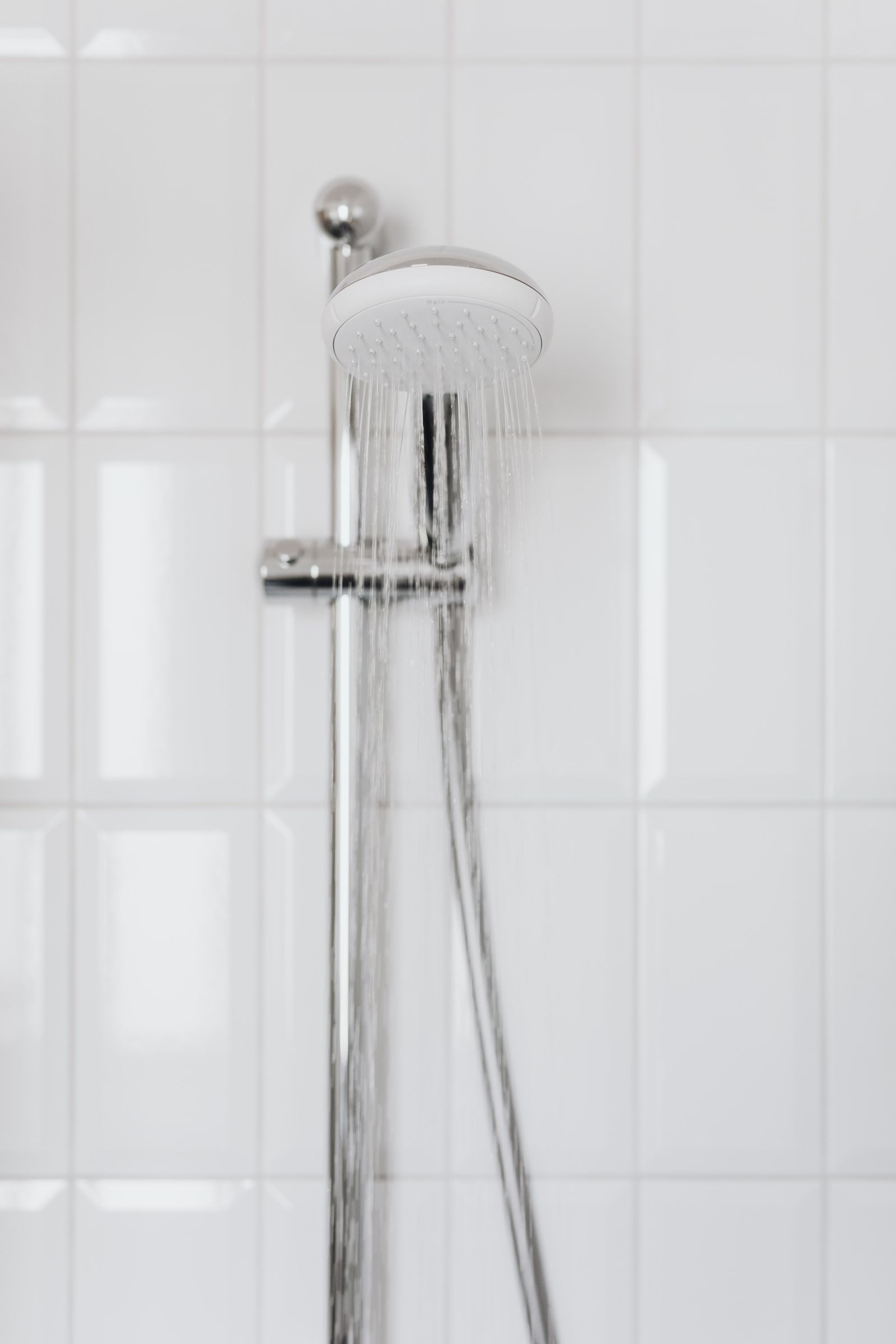
Polished stainless is buffed to a bright, mirror-like shine, very close to the look of chrome. It bounces light around the room, which can make a small bathroom feel bigger and brighter. If your style leans classic or glamorous, polished is the traditional pick, and it suits bathrooms with glossy tile and bright lighting.
Cleaning and Everyday Maintenance
This is where the two finishes really differ. Brushed stainless hides water spots, fingerprints, and light scratches far better than polished, because its matte texture breaks up reflections. A quick wipe with a damp microfiber cloth is usually enough to keep it looking good. Polished stainless looks stunning when clean, but it shows every water spot and fingerprint, so it needs wiping more often, especially in a hard-water home. Either way, skip abrasive pads and harsh cleaners, which can damage the surface over time. For households thinking about saving water as well, a quick wipe-down routine pairs well with efficient fixtures that use less water per shower.
Durability and Wear Over Time
Both finishes are the same metal underneath, so rust resistance is equal. The difference is cosmetic wear. Brushed finishes disguise minor scratches because new scratches blend into the existing grain. On polished surfaces, a scratch catches the light and stands out. In a busy family bathroom, brushed tends to look newer for longer. If sustainability matters to you, look for fixtures made with eco-friendly materials and manufacturing processes, which are becoming easier to find across both finishes.
Matching Your Fixtures
Whatever you choose, keep it consistent. Mixing brushed and polished across faucets, showerheads, and accessories can look accidental. Pick one finish for the room’s metalwork and stick with it, including the shower panel if you have one. If you run into common shower panel issues like leaks or temperature swings, the finish is rarely the cause, but matching hardware makes any future replacement simpler because you only need to match one finish.
Which Finish Should You Choose?
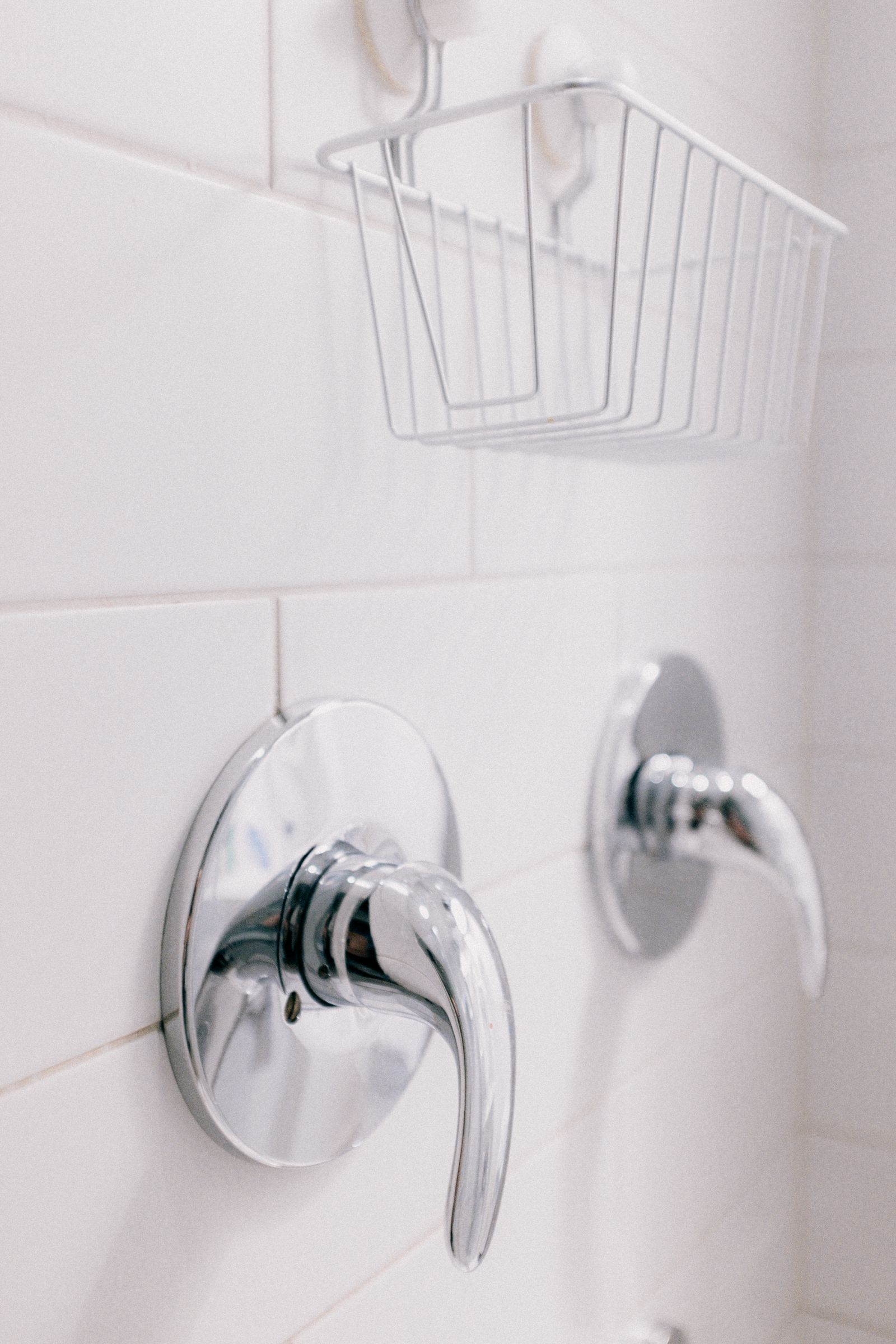
Choose brushed if you want low maintenance, a modern or spa-like look, or a busy household where fingerprints are a fact of life. Choose polished if you want maximum brightness, a classic look, or a small bathroom that needs a visual lift. Either way, you are getting the same durable, rust-resistant metal. The finish is about how you live with it.
If you are upgrading the shower itself, the finish decision goes hand in hand with the fixture. A brushed stainless panel hides spots and suits a modern bathroom, while a polished one adds shine. And if you are swapping the overhead head at the same time, read up on how to install a rain shower head before you start, so the new finish and the new fixture go in without a hitch.