Kitchen Sink
Granite Composite vs. Stainless Steel Sinks: Which Material Is Right for Your Kitchen?
Nov
Walk into any kitchen showroom and you will face the same fork in the road: the warm, matte confidence of a granite composite sink or the cool, familiar gleam of stainless steel. Both are excellent materials. Both can last decades. But they behave very differently once the pasta water is boiling, the holiday dishes are piled up, and real life starts happening around them.
Choosing between them is less about which material is objectively better and more about matching the sink to the way you cook, clean, and live. A busy family kitchen has different demands than a compact condo galley where the sink mostly rinses coffee mugs. Here is an honest, practical breakdown of how granite composite and stainless steel compare on the things that actually matter day to day.
What granite composite actually is
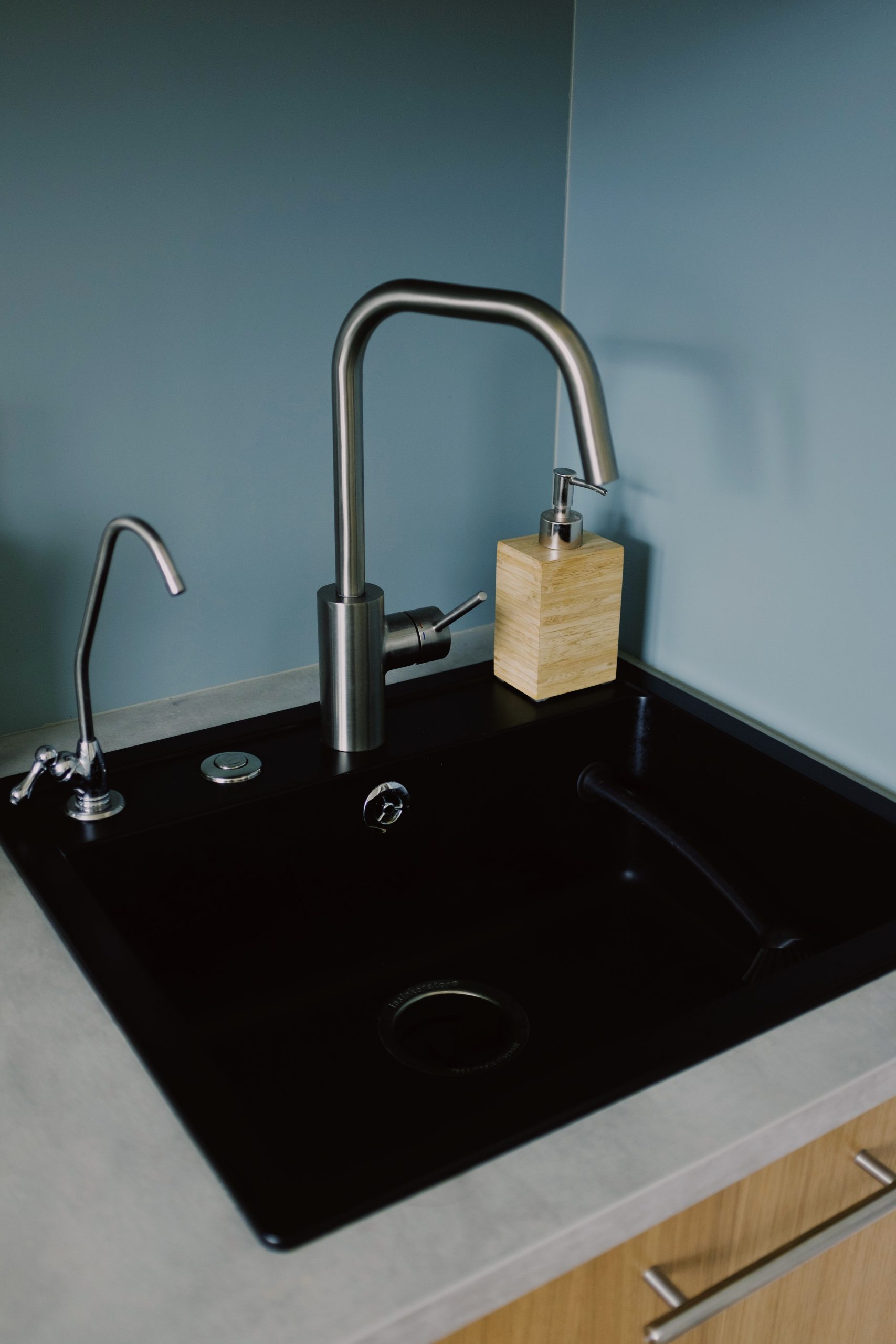
Despite the name, a granite composite sink is not carved from stone. It is manufactured from roughly 80 percent crushed granite or quartz blended with about 20 percent acrylic resin, molded under high pressure into a single solid piece. The result is a dense, matte, stone-like basin that feels substantial the moment you knock on it.
Because the color runs all the way through the material rather than sitting on the surface, minor scuffs and scratches tend to blend in instead of flashing bright like they do on coated surfaces. Most composite sinks come in dark, earthy tones — black, espresso, mocha, gray — though lighter options exist. They pair beautifully with stone countertops and are a favorite in farmhouse and transitional kitchens. If you are comparing single, double, and triple kitchen sink configurations, you will find composite offered in nearly all of them.
Stainless steel: the familiar workhorse
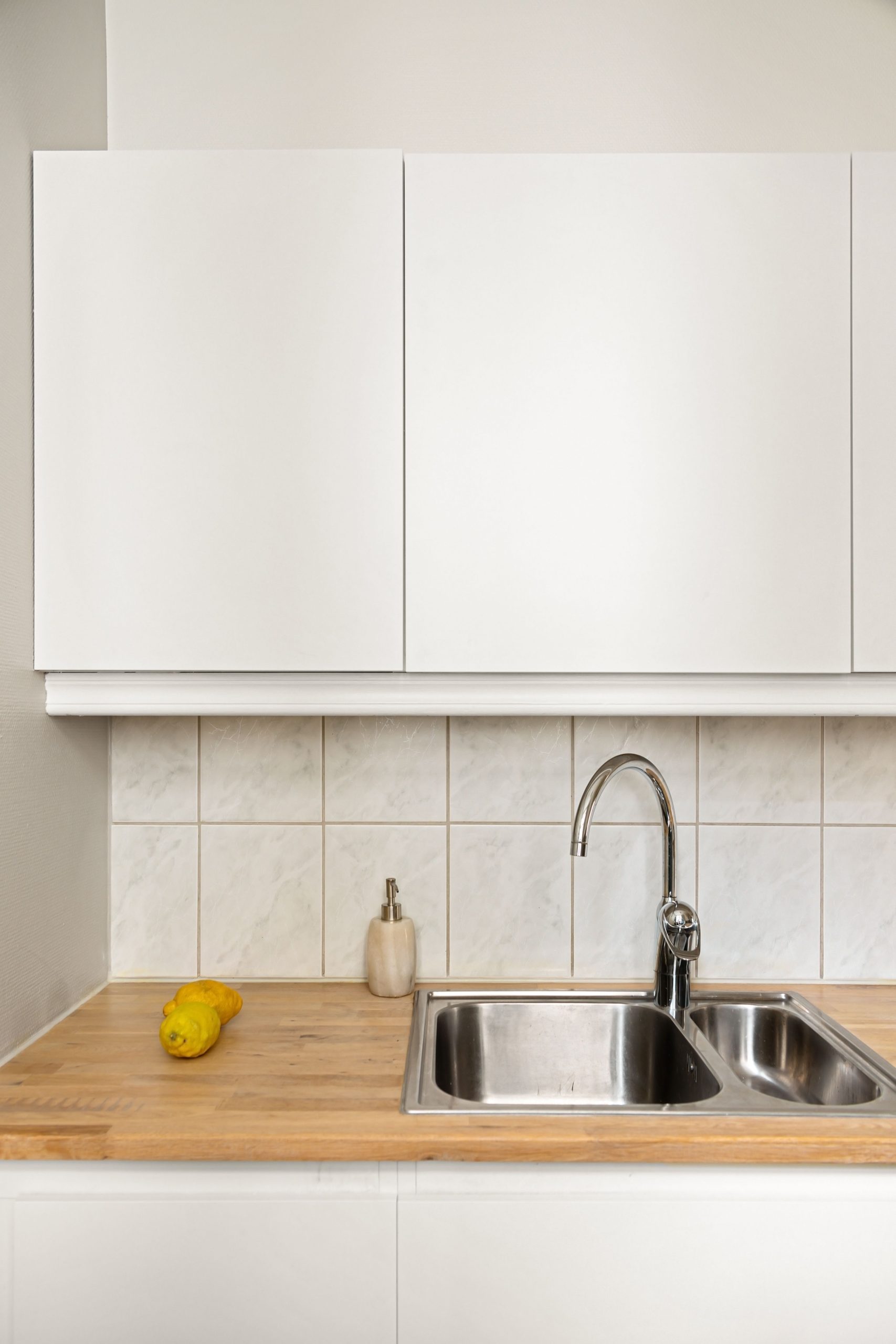
Stainless steel has been the default kitchen sink material for generations, and not by accident. It is affordable, lightweight, recyclable, and nearly indestructible under normal use. Drop a cast-iron skillet in it and the sink shrugs. It handles boiling water, bleach-based cleaners, and garbage disposals without complaint.
The number to know is gauge: the lower the number, the thicker the steel. A 16-gauge sink is noticeably sturdier and quieter than a 22-gauge budget model, which can feel tinny and flex under a heavy pot. Look for 18-gauge as a sensible minimum, and check that the basin has sound-dampening pads or an undercoating — cheap steel sinks are loud, and nobody wants a drum solo every time they rinse a sheet pan. Much like choosing the right shower panel, the best sink is the one matched to how you actually use the space, not the one with the longest feature list.
Durability, heat, and stain resistance head-to-head
On raw toughness, both materials score well, but they fail in different ways. Stainless steel dents rather than cracks — a dropped Dutch oven may leave a ding, but the sink keeps working. Granite composite resists dents and scratches better, yet it can chip or crack under a sharp, heavy impact, especially near edges and corners. Neither failure is common, but it is worth knowing which risk you are buying.
Heat tolerance favors composite slightly: most granite composite sinks handle temperatures up to around 280°C (536°F), so setting a hot pan down briefly is usually fine. Stainless steel handles heat too, but extreme thermal shock on thin-gauge steel can warp it over time. For stains, composite wins on light-colored foods and loses nothing to coffee or tea; stainless can develop water spots and a dull patina, though it rarely stains permanently. Whichever you choose, simple water-saving habits like rinsing promptly and not letting acidic foods sit will extend the good looks of either material.
Noise, maintenance, and everyday looks
This is where the two materials diverge most in daily life. Granite composite is naturally quiet — running water and clattering dishes produce a dull thud rather than a metallic ring. Stainless steel needs insulation to compete, and even then a thin sink announces every fork.
Maintenance is a wash, pun intended. Stainless shows water spots, fingerprints, and smudges, especially in polished finishes; brushed finishes hide them better. Composite hides water spots beautifully but can develop a whitish haze from hard water or harsh cleaners — a quick wipe with mineral oil restores the depth of color. Avoid abrasive scouring pads on both. And if anything ever does go wrong, our troubleshooting guides for common fixture issues walk through the same diagnose-first approach that works for sinks: identify the cause before reaching for a fix.
Cost and installation differences
Stainless steel wins on price at nearly every tier. A decent 18-gauge stainless sink starts at a fraction of the cost of a granite composite model, and because steel is light, installation is simpler — a handy homeowner can often manage a drop-in replacement in an afternoon. Composite sinks are heavy, sometimes twice the weight of steel, so undermount installations may need extra cabinet bracing and are best left to a professional.
That weight also matters for shipping and handling, and it is one reason composite sinks cost more overall. If budget is the deciding factor, stainless delivers 90 percent of the function for a fraction of the price. Shoppers interested in sustainable materials should note that stainless steel is one of the most recycled materials on the planet, while composite’s resin content makes it harder to recycle — a genuine trade-off for eco-minded renovators.
The verdict: match the sink to your cooking style
Choose granite composite if you want a quiet, matte, design-forward sink, cook with heavy pots you might drop, and do not mind paying more or wiping away the occasional hard-water haze. Choose stainless steel if you want maximum durability per dollar, easy DIY installation, a material that tolerates any cleaner you throw at it, and a look that works with literally everything.
There is no wrong answer here — only a mismatch. A serious home cook who hand-washes big stockpots will love composite’s forgiveness. A rental-property owner or budget renovator will love steel’s price and toughness. And if the sink swap is part of a larger refresh, these bathroom remodeling tips cover sequencing and budgeting lessons that apply just as well to the kitchen. Pick the material that fits your real life, install it well, and either choice will serve you for twenty years or more.